Are you addicted to sugar? If so, you aren’t alone. According to the American Heart Association (AHA), the average American consumes a whopping 89 teaspoons of sugar per day – about 3-4 times more than the recommended daily allowance.
Sugar adversely affects the body in a number of different ways. It increases a person’s chance of developing diabetes, promotes tooth decay, contributes to fat accumulation and subsequently obesity, and weakens the immune system. continue reading »
Posted in Diet, Wellness | Tagged sugar | Comments Off on 5 Tips To Help Kick Your Sugar Addiction
The workplace is one of the top sources of stress in the average person’s life. According to a 2009 study conducted by the American Psychological Association (APA), a staggering 69% of employees in the U.S. say work is a “significant source of stress,” and 41% say they are tense throughout the workday. If you constantly feel stressed at work, try some of the following tips to create a more tranquil and relaxing work environment. continue reading »
Posted in Stress | Tagged diet, exercise, work stress | Comments Off on Beat Work Stress: 6 Tips To Feel Better and Work Better
In case you didn’t get the memo, 29-year-old Vincenzo Nibali of Sicily, Italy won the 2014 Tour de France last month. Rightfully known as the “Shark of Messina,” he was able to outperform 218 other cyclists to finish first in the world’s largest bike race. Nabili finished the race with a lead of more than seven minutes, which is the biggest winning margin since 1997.
But here’s something that you probably didn’t know about Nabili and his team: they were the only team at the 2014 Tour de France to bring their own licensed acupuncturist. Throughout the course of the physically enduring race, an acupuncturist treated Nabili and his team, usually twice a day. Nabili and his team would receive a treatment in the morning before they raced and another at night while they were relaxing and resting in the hotel. continue reading »
Posted in Acupuncture | Tagged athletes, sports | Comments Off on Tour de France Winner Gains Edge With Acupuncture
According to the Centers for Disease Control and Prevention (CDC), people who suffer from high LDL cholesterol are twice as likely to develop heart disease – the number one cause of death in both men and women (source). High levels of LDL cholesterol is a serious health condition that affects approximately 71 million adults in the U.S. (1 out 3). But an ancient Chinese herb is turning heads in the medical community due to its surprisingly powerful effects on cholesterol levels.
Posted in Chinese Medicine | Tagged cholesterol, hawthorn | Comments Off on The Inside Scoop on Cholesterol and The One Chinese Herb That Could Crush It
Acupuncture is recognized by the National Institute of Health (NIH) and the World Health Organization (WHO) to be effective in the treatment of a wide variety of medical problems. Below are some of the health concerns that acupuncture can effectively treat:
Addiction
Anxiety
Arthritis
Asthma
Bronchitis
Carpal tunnel syndrome
Chronic fatigue
Colitis
Common cold
Constipation
Dental pain
Depression
Diarrhea
Digestive trouble
Dizziness
Dysentery
Emotional problems
Eye problems
Facial palsy
Fatigue
Fertility
Fibromyalgia
Gingivitis
Headache
Hiccough
Incontinence
Indigestion
Irritable bowel syndrome
Low back pain
Menopause
Menstrual irregularities
Migraine
Morning sickness
Nausea
Osteoarthritis
Pain
PMS
Pneumonia
Reproductive problems
Rhinitis
Sciatica
Seasonal affective disorder (SAD)
Shoulder pain
Sinusitis
Sleep disturbances
Smoking cessation
Sore throat
Stress
Tennis elbow
Tonsillitis
Tooth pain
Trigeminal neuralgia
Urinary tract infections
Vomiting
Wrist pain
Posted in | Comments Off on What can acupuncturists treat?
Today, acupuncturists undertake three to four years of extensive and comprehensive graduate training at nationally certified schools. All acupuncturists must pass a national exam and meet strict guidelines to practice in every state.
Posted in | Comments Off on How are acupuncturists educated?
Acupuncture is extremely safe. It is an all-natural, drug-free therapy, yielding no side effects just feelings of relaxation and well-being. There is little danger of infection from acupuncture needles because they are sterile, used once, and then discarded.
Posted in | Comments Off on How safe is acupuncture?
Write down and bring any questions you have. We are here to help you.
Wear loose, comfortable clothing for easy access to acupuncture points.
Do not eat large meals just before or after
your visit.
Refrain from overexertion, working out, drugs or alcohol for up to six hours after the visit.
Avoid stressful situations. Make time to relax, and be sure to get plenty of rest.
Between visits, take notes of any changes that may have occurred, such as the alleviation of pain, pain moving to other areas, or changes in the frequency and type of problems.

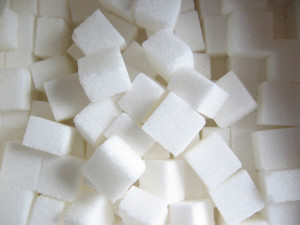 Are you addicted to sugar? If so, you aren’t alone. According to the American Heart Association (AHA), the average American consumes a whopping 89 teaspoons of sugar per day – about 3-4 times more than the recommended daily allowance.
 The workplace is one of the top sources of stress in the average person’s life. According to a 2009 study conducted by the American Psychological Association (APA), a staggering 69% of employees in the U.S. say work is a “significant source of stress,” and 41% say they are tense throughout the workday. If you constantly feel stressed at work, try some of the following tips to create a more tranquil and relaxing work environment.
 According to the Centers for Disease Control and Prevention (CDC), people who suffer from high LDL cholesterol are twice as likely to develop heart disease – the number one cause of death in both men and women (